

Revive Tired Beds: Spring Soil Reset
Posted on March 19, 2026 by Van Becelaere Greenhouse
After a long Kansas winter, your garden beds at Van Becelaere Greenhouse are ready for a spring soil reset that sets the stage for healthier, more productive plants all season long. A thoughtful refresh now helps roots grow deeper, improves nutrient uptake, and makes every greenhouse transplant more resilient in Pittsburg’s changing spring weather.
Clear Out Old Growth and Debris
Start by removing last year’s plants, roots, and lingering weeds so they don’t compete with new seedlings for water and nutrients. Old stems and matted leaves can also harbor pests and diseases that you don’t want following you into your spring soil reset. Gather healthy plant material for your compost pile and dispose of any diseased material in the trash, not in the compost bin.
Test and Adjust Soil pH
Before you add anything, take a moment to understand your soil pH. Most vegetables and flowers grow best in slightly acidic soil, roughly between 6.0 and 6.5, so a quick test can tell you if you’re in the ideal range for a successful spring soil reset.
Mississippi State University explains that soil pH controls how easily plants can access nutrients, making it one of the most important numbers in your garden. If your soil is too acidic or too alkaline, follow Extension recommendations for adding lime or sulfur so your fertilizers can work effectively and your plants thrive.
Rebuild Organic Matter with Compost
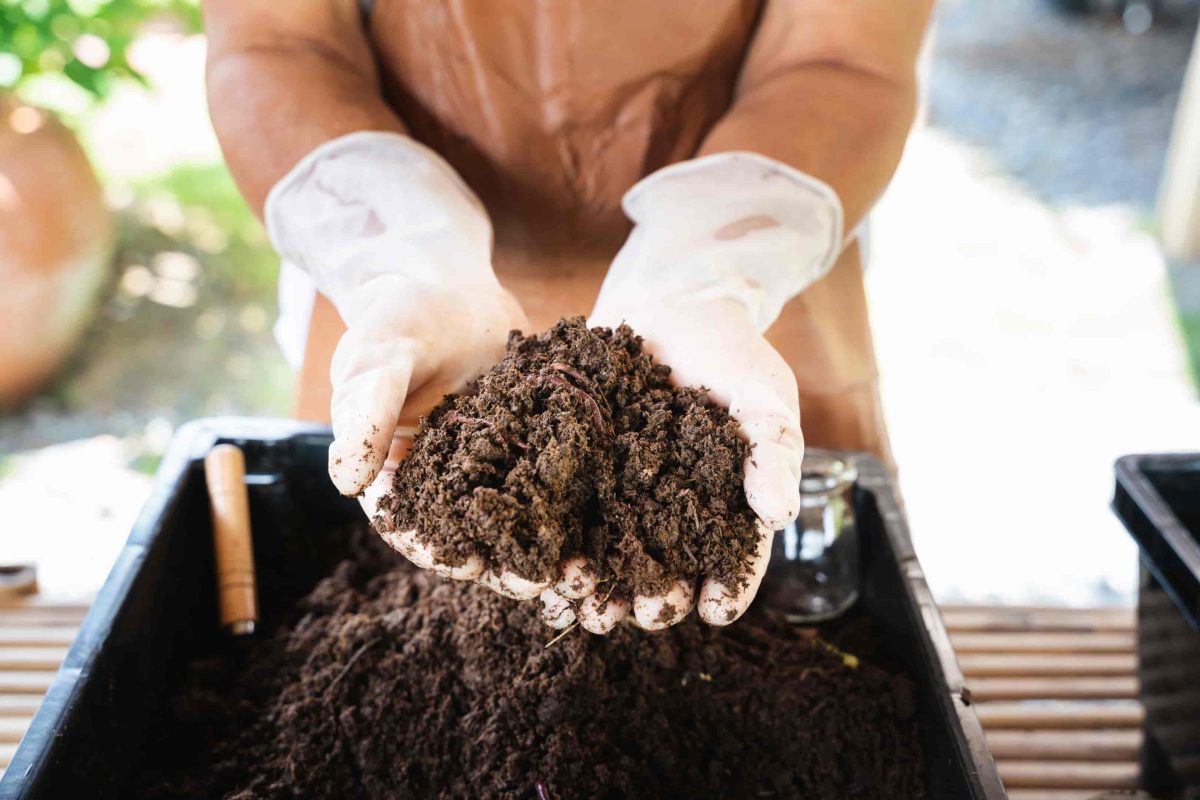
Next, focus on rebuilding soil structure and life with organic compost. Compost improves heavy clay and sandy soils alike by loosening compacted particles, boosting water-holding capacity, and feeding beneficial microbes that support root growth. University of Missouri notes that compost is best thought of as a powerful soil amendment because it enhances tilth, aeration, and microbial activity. A thin layer of compost worked into the top few inches of soil is enough to anchor your spring soil reset and give everything you plant a softer, richer home.
Feed with Organic Fertilizers
Once your organic matter is in place, it’s time to feed the soil with the right fertilizers. Organic fertilizers, such as composted manure or plant-based fertilizers, release nutrients slowly and can add a bit of organic matter along the way.
Utah State University and the University of Maryland emphasize that both organic and synthetic fertilizers can work, but organic options shine when you’re building long-term soil health. Consider these choices as you plan your spring soil reset:
- Compost or composted manure for gentle, steady nutrients
- Bone meal for phosphorus to support strong root growth
- Plant-based meals (like alfalfa meal) for slow-release nitrogen
Water and Lightly Mulch
Finish your spring soil reset by watering deeply to settle amendments around the roots and start nutrient release. A light mulch of compost, shredded leaves, or clean straw helps conserve moisture, suppress weeds, and moderate soil temperature as the season warms.
UC Marin Master Gardeners point out that compost used as mulch can even help balance soil pH over time while feeding the organisms that keep your soil alive. With a little March effort, your beds will be ready to welcome every flower, herb, and tomato you bring home from Van Becelaere Greenhouse this spring with a bit of organic mushroom mulch.