

Feeding Birds in Winter: The Best Seed for Kansas Birds
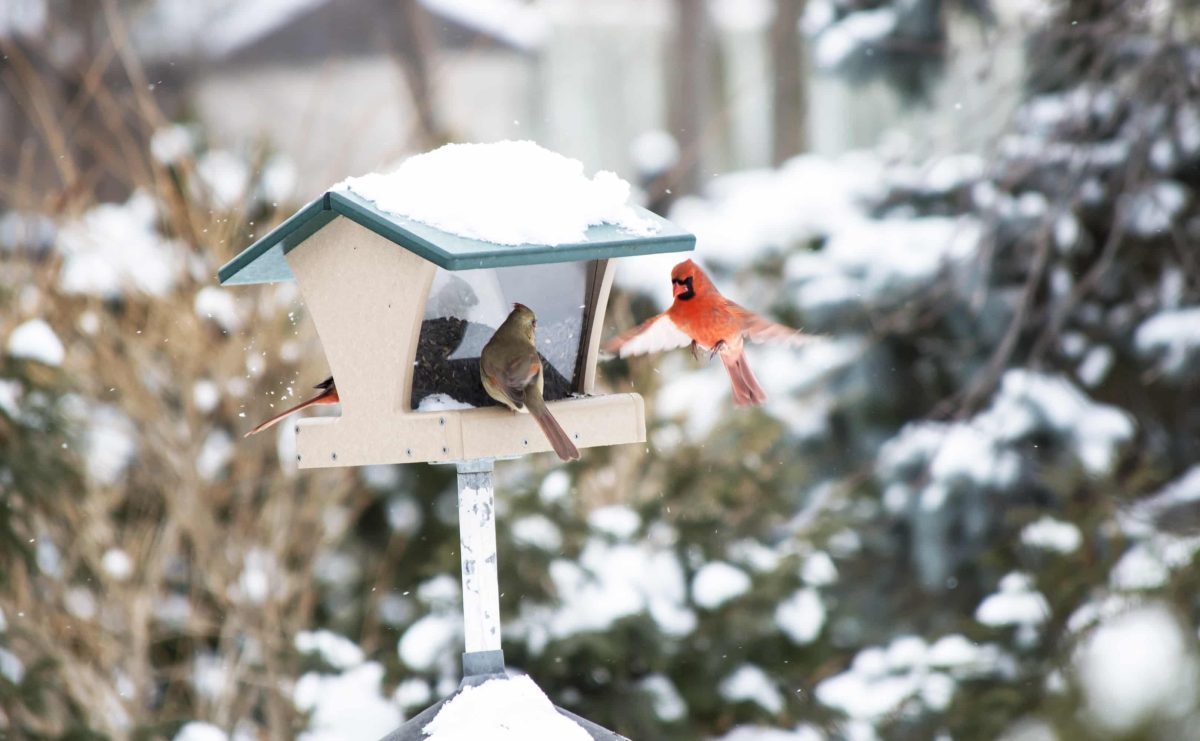
Posted on November 13, 2026 by Van Becelaere Greenhouse
Black oil sunflower seed is the best seed for feeding birds in winter. It attracts more species than any other feeder food, and its fat helps birds through long, cold Kansas nights. Choosing the right seed is what turns a backyard feeder into a stop birds count on all winter.
What Should You Feed Birds in Winter?
Make black oil sunflower seed your main winter food. The Cornell Lab of Ornithology says its thin shells are easy for small birds to crack, and each seed offers a high meat-to-shell ratio. Skip cheap mixes padded with milo and oats, which Cornell warns birds often leave behind to mold.
For ground feeders, add white proso millet, which K-State Research and Extension ranks second in popularity and names a favorite of dark-eyed juncos. Van Becelaere Greenhouse’s feed store in Pittsburg stocks black oil sunflower seed and wild bird feed.
Which Birds Stay in Kansas Over the Winter?
Cardinals, chickadees, titmice, and woodpeckers stay in Kansas year-round, and dark-eyed juncos and Harris’s sparrows arrive from the north each winter. The Kansas Department of Wildlife and Parks (KDWP) notes that snow and frigid temperatures draw finches, cardinals, juncos, and woodpeckers to feeders statewide.
According to Audubon, Harris’s sparrows are easiest to spot in winter on the southern plains. Juncos and sparrows feed mostly on the ground, so a bed of native grasses and perennials near your feeders gives these Kansas birds a quick place to hide.
Which Bird Feeders Work Best in Winter?
A platform feeder attracts the widest variety of winter birds, including ground feeders such as juncos and sparrows. The trade-off is that an open tray doesn’t shield seed from snow, so pick one with a screened bottom and put out only a couple of days’ worth at a time.
Add a hopper or tube feeder for chickadees and cardinals. Set feeders about 10 feet from trees or shrubs for shelter from wind and predators without giving squirrels a launch pad.
How Do You Clean a Bird Feeder?
To clean a bird feeder, empty it, take it apart, and scrub it with soap and hot water. Let it dry completely. The Cornell Lab recommends cleaning about every two weeks, or more often in wet weather.
Audubon warns that moisture left inside invites fungus and bacteria. Toss old seed in the trash rather than on the ground.
Do Birds Need Water in Winter?
Yes, birds need open water all winter, and a heated bird bath is the simplest way to provide it once temperatures drop below freezing. Unfrozen water can be as hard for birds to find in winter as food.
A heated birdbath with a built-in thermostat usually uses less energy than people expect. If you already run a heated waterer for your backyard chickens in winter, the routine will feel familiar.
Ready to start feeding birds in winter? Contact Van Becelaere Greenhouse or stop by the Pittsburg feed store for black oil sunflower seed and advice from a family that’s served the four-state area for four generations.